 View Locations
 24/7 Service: 877-MIR-BELT (877-647-2358)



From Constant Repairs to Reliable Performance
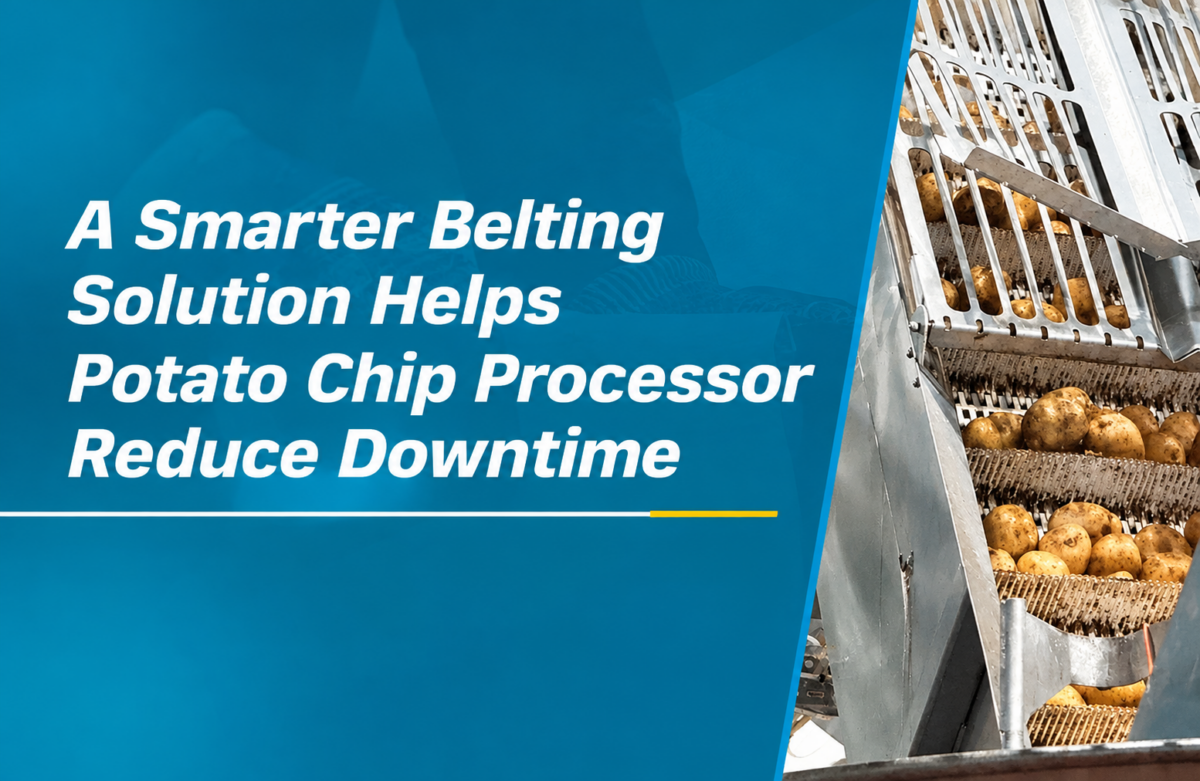
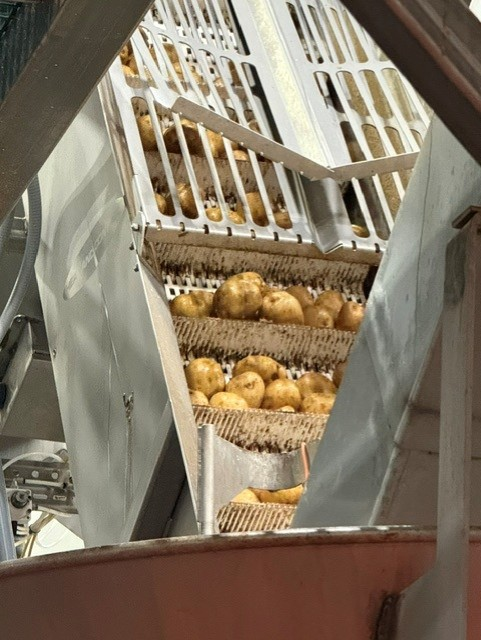
At its facility in the Southern U.S., a potato chip processor handles potatoes used in kettle-cooked and traditional potato chip production. Before potatoes could move to the peeler, they first passed through a wash system and dewatering conveyor. While essential to the production process, this application had become a frequent source of maintenance headaches.
The processor was using a flat-wire metal belt with cleats on a 26-foot-long by 18-inch-wide conveyor. Damaged cleats and wire sections required repairs four to five times each week, with each repair resulting in roughly an hour of downtime. The recurring maintenance not only consumed labor resources but also created ongoing disruptions to production.
The challenges didn’t stop there. Worn sprockets needed to be replaced every four to five months, adding additional maintenance costs and increasing the workload for the facility’s maintenance team.
Finding a Better Solution
Looking for a more reliable option, the processor partnered with MIR and the uni engineering team to evaluate alternatives. After reviewing the application, the team recommended converting to the uni MPB 25% Open modular plastic belt with two-piece sprockets.
The goal was simple: reduce downtime, simplify maintenance, and improve reliability.
Unlike wire belting, modular plastic belts can be repaired by replacing individual belt sections rather than repairing damaged wire assemblies. The two-piece sprocket design also makes replacement faster and easier, helping reduce maintenance time when service is required.
Measurable Results
The first belt was installed in February 2026, followed by a second installation in April 2026.
Since making the switch, the processor has experienced:
- Zero belt repairs year to date
- Elimination of weekly downtime associated with belt and cleat repairs
- Approximately $1,390 in upfront savings per belt
- Reduced maintenance requirements through a modular design
- Easier sprocket replacement with two-piece sprockets
Based on the previous repair frequency, the processor has realized an estimated $27,000 in downtime savings year to date.
Building Trust Through Results
The results extended beyond improved conveyor performance.
By solving a long-standing maintenance challenge, MIR helped the processor improve uptime, reduce maintenance demands, and gain greater confidence in a critical production process. The success of the project also strengthened the relationship between the two companies, leading the processor to expand its business with MIR across additional modular, thermoplastic, and fabric belting applications.
For the customer, the outcome was simple: less downtime, fewer repairs, and more time focused on producing quality products instead of maintaining equipment.
At MIR, building long-term customer relationships starts with understanding each customer’s operation, listening to their challenges, and recommending solutions tailored to their specific conveyor applications. By combining product expertise with a commitment to helping customers improve uptime and reliability, MIR delivers solutions that keep production moving. That’s Belting Solved.
